Enterprises that rethink their operating models for AI create lasting, compounding value. That’s the core finding of research from Humatica, an advisor specializing in organizational transformation. Produced in partnership with CoreWeave, the new whitepaper draws on 30+ interviews with senior executives and investors and a panel of 252 enterprises across 14 industries. The opportunity it identifies is significant: two in three large enterprises already depend on AI, but only about a third have a formal operating model for it. The authors also point to five practices that give leaders a concrete place to start when integrating AI into their organizations.
Here are the insights that stood out to me:
The org, not the tech, is the real constraint
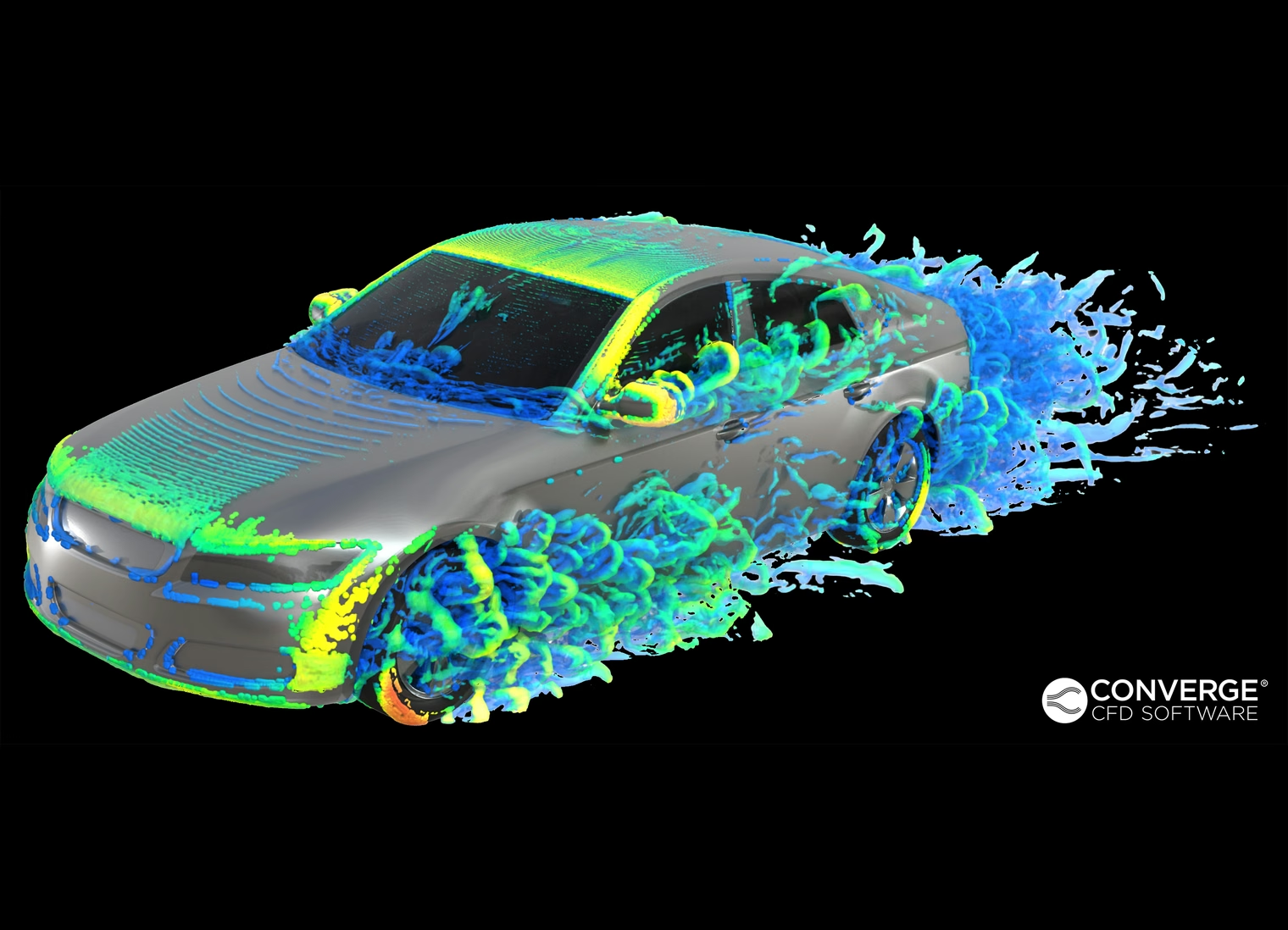
Leaders highlight their own organizations as the constraint to progress: 68% cite organization and governance, 28% cite technology and infrastructure. Counting AI users or use cases says little about whether a business has achieved AI maturity. What matters is the operating model. Leading enterprises are building their organizations around AI by redesigning ownership, decision rights, and structure. This insight brought to mind Caterpillar, a CoreWeave customer using physical AI to put a century of data and experience to work: differentiating its products, accelerating innovation, and improving safety on the job site. Capital One, You.com, Canva, and Cognition are also organizing around AI, using CoreWeave’s technology and teams to build a lasting competitive advantage.
One in five enterprises has named an AI leader
As enterprises recognize AI’s central importance, they’re naming AI leaders, often people who know the business well. These leaders decide what AI gets built, who owns each system once it’s running and scaling, and who pays for it. The goal is lasting competitiveness and profitability, not a short-term efficiency boost.
The priority for today's enterprises is to create tomorrow’s business, not automate yesterday's work. Reaching that goal means acknowledging the need for better AI ownership. Yes, AI enables a broad range of people to create powerful agents, build streamlined processes, and code faster than humanly possible. Taking it to the next level requires explicit ownership and clear AI leadership.
Enterprises recognize that AI is mission critical
Two-thirds of large enterprises now run a process, a product, or a business model that breaks if AI is switched off. The momentum behind AI adoption is powerful. 95% of large enterprises have moved beyond experimentation, 66% depend on AI for a process, a product, or a business model, and 44% have AI in the products they sell or in the economics of their business. 12% could not deliver their offer at its current price or cost base without AI. But only about a third have a formal operating model for AI, and Humatica calls that gap the main AI risk.
These numbers back up what we see from our customers: AI technology is quickly becoming an integral part of leading enterprises. For example, MasterClass relies on AI to evaluate and continually improve its AI teaching agents, which deliver personalized instruction to learners. Using proprietary data, expertise, or other IP, MasterClass and other CoreWeave customers are laying the groundwork for compounding value creation. Sustaining that value means owning the data, evaluation, and operating capabilities that keep critical workloads improving. That’s the thinking behind the latest additions to CoreWeave Cloud announced at Fully Connected 2026. and our ongoing commitment to accelerating the AI loop.
Building got easier, owning did not
The report found that of AI use cases in production, 42% started in the business, and one in four was started by an individual or team on their own initiative. Individual empowerment lets almost anyone in an enterprise build a tool (often without a sponsor or budget) that others rely on. But who owns these systems and ensures their ongoing improvement? Participants in the research said building got easier and owning did not, and one executive put building at only about 30% of the work. Leaders respond by building security, access, monitoring, evaluation, and cost controls into a shared platform, so every new application inherits them.
That’s the arc of so many of our customers, who began on in-house systems or general-purpose clouds, then moved to a fully integrated, purpose-built AI cloud for their mission-critical workloads.
Leaders protect IP with the right infrastructure
Among leaders, 73% name IP protection and differentiation as a reason for moving a critical workload onto infrastructure they control, and 36% name cost and predictability. Early in AI adoption, enterprises source capabilities externally for everyday work. But as they evolve to using AI to build capabilities they didn’t have before, and products that customers pay for, these vital workloads become much more vital to creating ongoing value. Leaders keep sensitive workloads on infrastructure they control and run demanding AI on infrastructure built for AI, so they can be controlled, protected, and continually improved.
CoreWeave meets these needs with the full capabilities of the AI-native CoreWeave Cloud platform. Our latest platform innovation, CoreWeave Forge, helps AI teams deliver compounding improvement by running and optimizing the AI loop: the continuous cycle of running, observing, curating, improving, and evaluating a model or agent so each version beats the last. For example, Capital One successfully evaluates agents across multiple use cases, applying careful control and governance throughout the AI loop, achieving better accuracy and easier collaboration across business teams and AI experts. CoreWeave Inference gives teams a range of options with varying degrees of control along with deep observability over production workloads. The CoreWeave Zero Trust AI Framework™ gives customers control over access to their proprietary models, datasets, and runtime infrastructure.
Cost and predictability came last among the reasons for moving critical workloads, but they definitely matter. AI costs grow with use, so a business case set in a trial can fail in production. Customers use CoreWeave ARENA to see what new AI-powered offerings will cost at production scale instead of guessing at cost-performance tradeoffs.
How to turn AI ambition into lasting value
The research points to five practices that give executives a concrete place to start as they make AI an integral part of their organizations:
- Make AI an operating model decision
- Empower decentralized building and scale proven results
- Unlock the enterprise’s knowledge as a proprietary AI advantage
- Keep control of the AI the business depends on
- Keep every AI production system owned, measured, and improving
These practices chart a clear path ahead for enterprises. Start by adopting an AI operating model. Empower diverse groups and individuals to build agents and other AI initiatives, building on the proven results. Then move on to using IP and domain expertise to build differentiated AI models or agents. Keep control of these valuable assets and continue to improve them through the AI loop. The key enablers along the way to creating lasting advantage include better governance, deeper integration, and more informed decision-making, as well as decisive leadership. The result is lasting value.
We work with leading enterprises every day, and we see both the challenges and the opportunities. Leaders treat compute as a dependency: they secure capacity for the systems the business relies on and run their most demanding AI workloads on infrastructure built for AI. That’s what CoreWeave Cloud is for, and how we help enterprises build an advantage that lasts.
“AI-Native by Design: The Operating Model Behind Lasting Advantage,” by Humatica’s Andy Knobloch and Juan Zapardiel, is available now.
See the AI loop in action
>> Explore CoreWeave Forge